Get Backflow Testing Service
Backflow testing services help property owners ensure water safety by identifying and preventing contamination issues in irrigation, fire protection, and plumbing systems.
Backflow testing services are an essential consideration for property owners looking to maintain a safe and reliable water supply. Ensuring that backflow prevention devices are functioning properly helps prevent contaminated water from entering the main plumbing system, which is especially important for those planning renovations, installing new fixtures, or managing irrigation systems. Local contractors who specialize in backflow testing can provide the expertise needed to assess and verify the integrity of these devices, offering peace of mind for property owners concerned about water safety and compliance.
For property owners in the area, exploring backflow testing options can be a practical step toward safeguarding public health and avoiding potential plumbing issues. Comparing services offered by nearby professionals allows for informed decisions based on experience and reputation. Whether for routine checks or specific project requirements, connecting with qualified service providers ensures the work is handled efficiently and accurately. Keep reading to learn more about how local contractors can assist with your backflow testing needs.
- Commercial properties - businesses requiring regular backflow testing to ensure water safety and compliance.
- Residential homes - homeowners needing backflow prevention testing to protect drinking water supplies.
- Industrial facilities - factories and plants that must verify backflow prevention systems are functioning properly.
- Municipal water systems - public water providers seeking routine testing to maintain water quality standards.
- Fire protection systems - facilities with sprinkler systems that require backflow testing to prevent contamination.
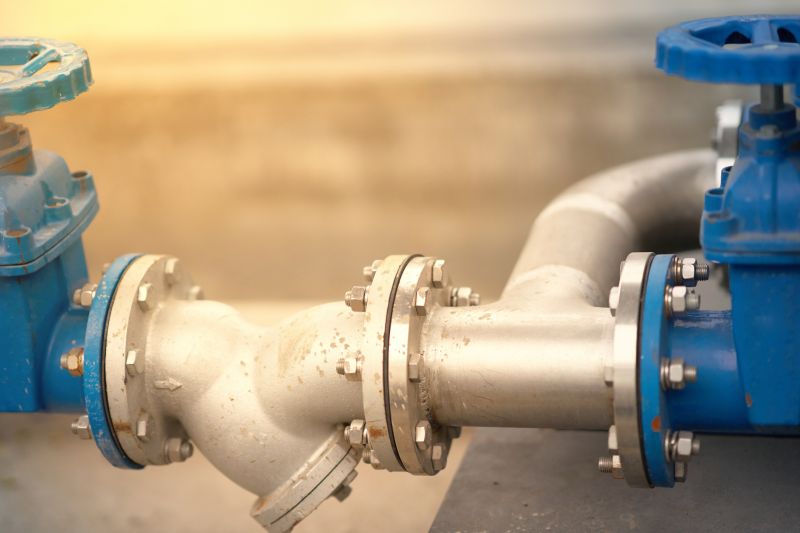
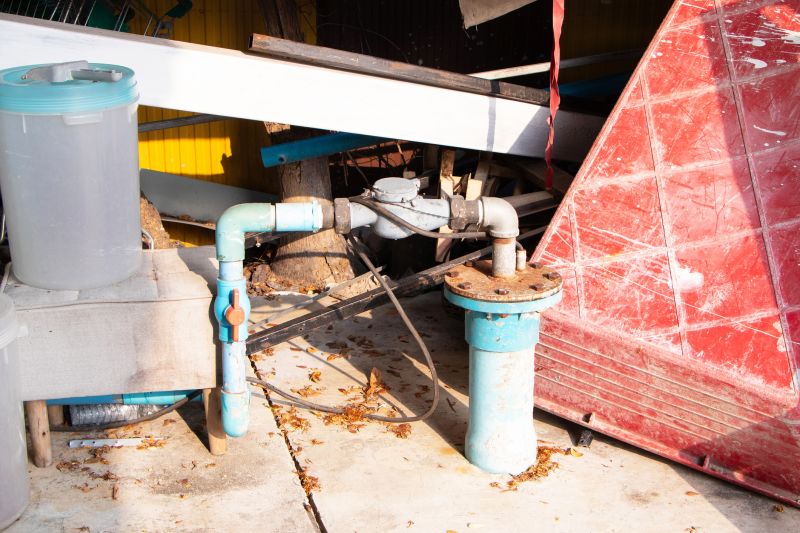
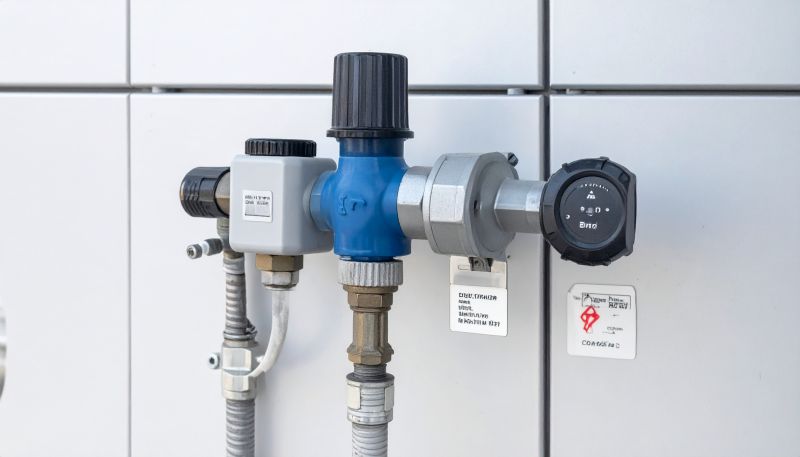
Backflow testing services involve inspecting a property’s plumbing system to ensure that contaminated water cannot flow backward into the clean water supply. This process typically includes checking backflow prevention devices, such as check valves or air gaps, to verify they are functioning properly. Regular testing helps identify potential issues before they lead to contamination, safeguarding the water quality for the property’s occupants and the surrounding community. Professional backflow testing is essential for maintaining a safe and compliant plumbing system, especially in areas with strict health and safety regulations.
Problems that backflow testing can help prevent include the reverse flow of sewage, chemicals, or other pollutants into drinking water lines. When backflow prevention devices fail or become damaged, contaminated water can enter the potable water supply, posing health risks. Testing services can detect these issues early, allowing repairs or replacements to be made promptly. This proactive approach not only protects health but also helps property owners avoid costly fines or violations related to water safety standards.
Many types of properties benefit from regular backflow testing, including residential homes, commercial buildings, restaurants, and industrial facilities. Properties with irrigation systems, fire suppression systems, or other setups that connect to public water supplies are especially vulnerable to backflow issues. Additionally, properties located in areas with high water usage or complex plumbing configurations should consider routine testing. Engaging with local contractors for backflow testing ensures that these properties maintain proper water safety measures and remain compliant with local regulations.
Homeowners and property managers should consider scheduling backflow testing if they notice signs of plumbing problems or if they are required to meet local health codes. This service is particularly important for properties with private wells, irrigation systems, or any setup involving cross-connections between potable and non-potable water sources. By working with experienced local service providers, property owners can ensure their plumbing systems are functioning correctly, preventing potential water contamination and maintaining safe water quality for everyday use.
The overview below groups typical Backflow Testing Service projects into broad ranges so you can see how smaller, mid-sized, and larger jobs often compare in your area.
In many markets, a large share of routine jobs stays in the lower and middle ranges, while only a smaller percentage of projects moves into the highest bands when the work is more complex or site conditions are harder than average.
Smaller Repairs - Most routine backflow testing services cost between $150 and $300. Many local contractors handle these standard inspections efficiently within this range. Fewer projects require extensive repairs, which can push costs higher.
Mid-Range Testing - For more comprehensive testing or minor repairs, prices typically fall between $300 and $600. Many projects land in this middle band, depending on the system size and complexity. Larger or more complex inspections may reach the upper end of this range.
Full System Replacement - Replacing a backflow preventer can cost from $1,000 to $3,000 or more. These larger projects are less common but necessary for outdated or severely damaged systems. Costs vary based on system size and installation requirements.
Complex or Commercial Projects - Larger, more complex backflow systems for commercial properties can exceed $5,000. Such projects are less frequent and involve extensive work, including system upgrades or multiple testing points. Local service providers can provide detailed estimates based on specific needs.
Actual totals will depend on details like access to the work area, the scope of the project, and the materials selected, so use these as general starting points rather than exact figures.
Municipal Water System Inspection - local contractors perform inspections and testing of municipal water systems to ensure compliance, similar to backflow testing procedures.
Fire Sprinkler System Testing - this project involves testing and maintaining sprinkler systems, requiring knowledge of water flow and system integrity akin to backflow prevention services.
Irrigation System Certification - local service providers test and certify irrigation systems to prevent contamination, utilizing skills similar to backflow device testing.
Water Meter Calibration - calibration and testing of water meters involve precise measurement techniques comparable to backflow testing processes.
Industrial Water System Maintenance - maintaining and testing industrial water systems requires understanding of plumbing and water flow control similar to backflow prevention work.
Cross-Connection Control Program Services - managing cross-connection control involves testing and planning to prevent backflow, aligning with the skills used in backflow testing services.
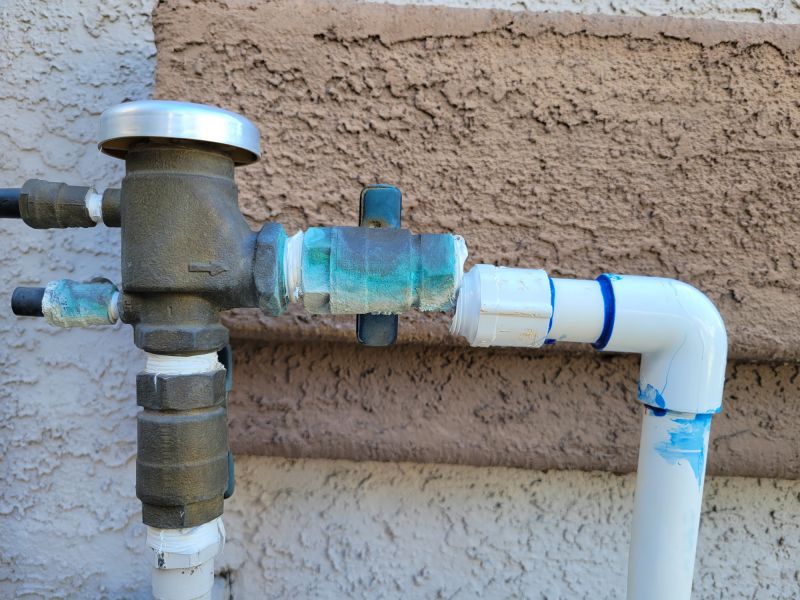
When selecting a service provider for backflow testing, it’s important to consider their experience with similar projects. A contractor with a history of handling backflow testing for residential properties can offer insights into common issues and effective solutions. Understanding their familiarity with local plumbing codes and regulations can also help ensure the work is completed correctly and in compliance with standards. This background can provide confidence that the chosen contractor is well-versed in the specific requirements of your area.
Clear, written expectations are essential when comparing local contractors for backflow testing services. A reputable service provider should be able to outline what the testing entails, any necessary preparations, and what the homeowner can expect during the process. Having these details documented helps prevent misunderstandings and ensures both parties are aligned on the scope of work. It’s also helpful to ask for a detailed scope of services and any warranties or follow-up procedures to understand what is included.
Reputable references and effective communication are key indicators of a dependable local contractor. When evaluating options, consider seeking references from previous clients who can speak to the quality of their work and professionalism. Good communication throughout the process-such as prompt responses to inquiries and clear explanations-can make the experience smoother and more transparent. Remember, this site introduces homeowners to local pros who can handle backflow testing; it does not perform the work itself. Comparing these providers based on experience, clarity of expectations, and communication can help homeowners find a reliable partner for their backflow testing needs.
Property owners use Backflow Testing Service services for practical projects around their homes and businesses. This guide focuses on everyday jobs and straightforward project options.
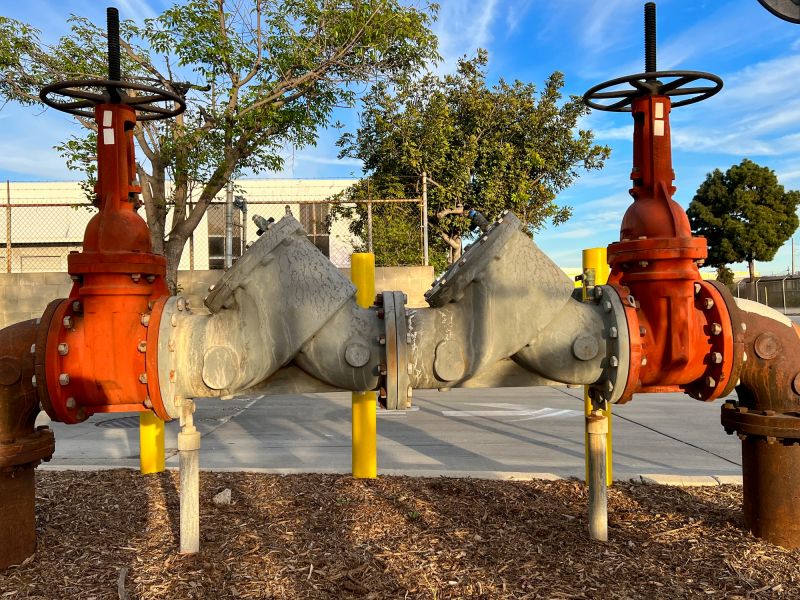
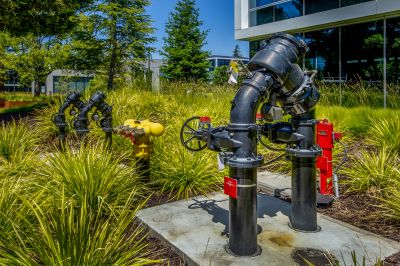
Backflow testing services are often needed when property owners want to ensure their drinking water remains safe and uncontaminated. Local contractors are commonly called upon to check irrigation systems, fire suppression systems, or other plumbing setups that could potentially cause backflow issues. Regular testing helps identify any problems early, preventing water contamination and maintaining compliance with local health standards.
Property owners in the area might seek backflow testing when preparing for inspections, resolving plumbing concerns, or simply maintaining their property's water quality. Local service providers are equipped to handle these routine tests, providing peace of mind that the water supply remains clean and safe. Connecting with experienced contractors can ensure the testing is thorough and meets the necessary requirements for residential or commercial properties.
What is backflow testing? Backflow testing is a process that checks the backflow prevention devices in a plumbing system to ensure they are functioning properly and preventing contaminated water from flowing back into the clean water supply.
Why is backflow testing important? Regular backflow testing helps maintain water safety by ensuring that backflow prevention devices are working correctly, preventing potential health hazards caused by contaminated water.
How do local contractors perform backflow testing? Local service providers typically inspect backflow prevention devices, perform necessary tests to verify their operation, and provide documentation to confirm compliance with safety standards.
What types of properties require backflow testing? Backflow testing is generally required for residential, commercial, and industrial properties that have irrigation systems, fire suppression systems, or other setups connected to the water supply.
How often should backflow testing be scheduled? While scheduling frequency can vary, many local contractors recommend annual testing to ensure continued proper function of backflow prevention devices.
Backflow Prevention for Irrigation Systems - Ensuring your sprinkler system is tested helps prevent contaminated water from flowing back into the main supply. Local contractors can perform routine testing to keep your landscape irrigation safe and compliant.
Protecting Drinking Water Supplies - Regular backflow testing can help maintain the safety of your home's drinking water by identifying potential issues early. Local pros can provide the necessary inspections to keep water quality high.
Commercial Property Backflow Testing - Businesses can benefit from scheduled testing to meet health and safety regulations, avoiding potential disruptions. Local service providers can handle testing for various commercial plumbing systems.
Preventing Water Contamination Risks - Testing ensures that cross-connections in your plumbing do not pose a risk of backflow, safeguarding your property and community water sources. Local contractors can perform assessments to identify and address vulnerabilities.
If you are thinking about Backflow Testing Service for a property, this guide is meant to help you understand the work, the typical project types, and how different options might fit your plans.
When you are ready, you can use the quote form on this page to share a few details about your project. From there, local pros can review the basics and respond with options that match what you have in mind.